What is the initial consultation?
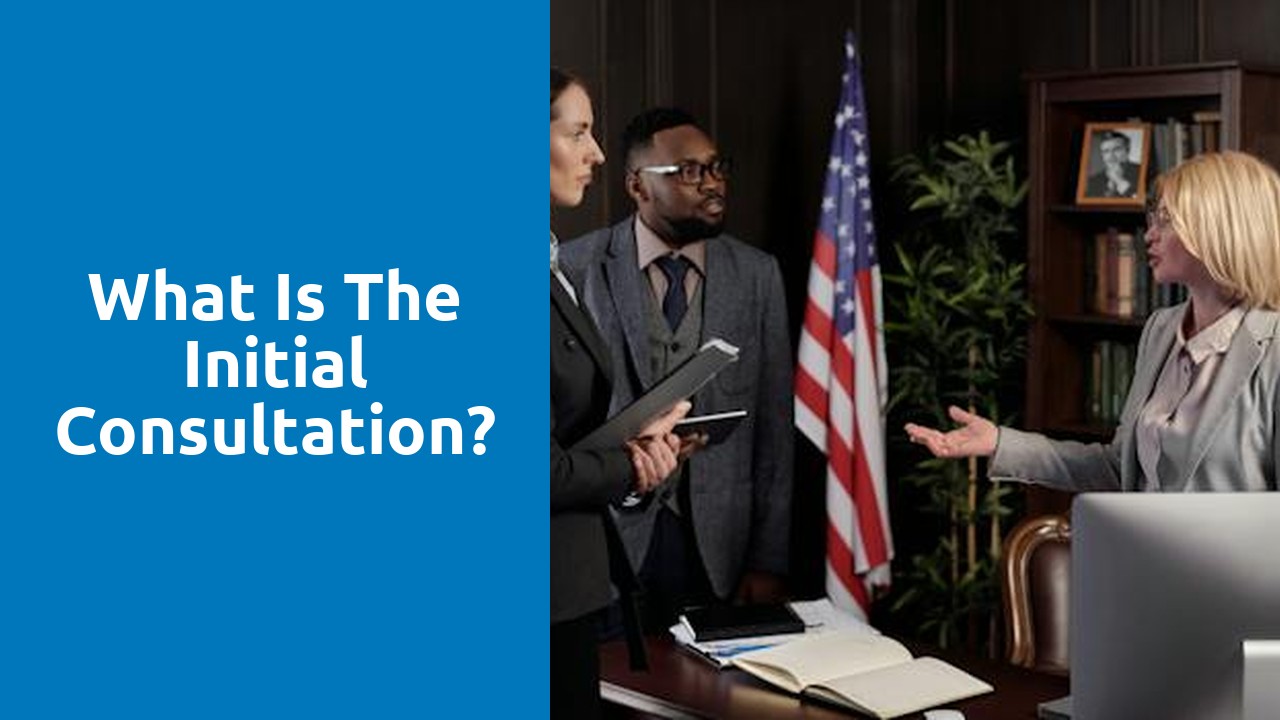
Understanding the First Meeting: An Overview of the Initial Consultation
The first meeting, also known as the initial consultation, is an essential step in various professional industries. It serves as an opportunity for individuals or companies to establish a foundation for their working relationship. During this meeting, both parties gather to discuss the purpose, goals, and expectations of their partnership. Whether it is a lawyer-client consultation, a business collaboration, or a medical appointment, this initial meeting sets the stage for future interactions and lays the groundwork for the upcoming endeavors.
In the initial consultation, it is crucial to establish clear communication and active listening between all parties involved. This allows for a thorough understanding of the expectations, requirements, and desired outcomes. Additionally, during this meeting, professionals often gather relevant information, such as background details, challenges, or objectives, to assess the scope of the project or the client's needs. This data serves as a starting point for decision-making, problem-solving, or creating tailored solutions. Ultimately, the initial consultation acts as a crucial stepping stone towards a successful and productive partnership.
Unveiling the Purpose and Process of the First Consultation
The purpose of the first consultation is to establish a foundation for the relationship between the client and the service provider. This initial meeting allows both parties to gain a better understanding of each other's expectations, goals, and needs. It is a crucial step in the process of determining if there is a good fit between the client and the service provider, ensuring that the relationship will be productive and successful. During this consultation, the service provider will often gather information about the client's background, interests, and specific requirements, which will help in creating a customized plan or solution. Additionally, the process of the first consultation typically involves discussing the scope of the project or the nature of the services to be provided, setting clear objectives, and outlining the timeline and any potential fees or costs involved.
To ensure a smooth and efficient first consultation, it is essential that both the client and the service provider come prepared. The client should be ready to provide relevant documentation or information that will aid in the discussion. This may include previous work samples, a portfolio, or any specific requirements or preferences they may have. On the other hand, the service provider should have a clear agenda in mind, outlining the topics to be covered and any necessary materials or resources. They should also be prepared to ask questions to gain a deeper understanding of the client's needs and expectations. By being well-prepared, both the client and the service provider can make the most of the first consultation, ensuring that it is a productive and valuable exchange of information.
Demystifying the Initial Meeting: Everything You Need to Know
The initial meeting, or consultation, is often the first point of contact between clients and professionals. It serves as a foundation for establishing trust and understanding, as well as setting the tone for the entire working relationship. During this meeting, clients have the opportunity to discuss their needs and goals, while professionals gather crucial information to determine the best course of action.
One of the key aspects of the initial meeting is the exchange of information. Clients are encouraged to provide as much detail as possible about their situation, including any challenges or concerns they may have. Professionals, on the other hand, should actively listen and ask clarifying questions to gain a thorough understanding of the client's needs. This open dialogue allows both parties to establish realistic expectations and ensures that the proposed solutions are tailored to the specific circumstances.
The Key Elements of the Initial Consultation Explained
During the initial consultation, there are several key elements that are essential to ensuring a successful outcome. First and foremost, establishing rapport with the client is crucial. This involves creating a comfortable and welcoming environment where the client feels safe to share their thoughts, feelings, and concerns. Building rapport also includes active listening and showing empathy, which helps to foster trust and openness between the client and the professional.
Another important element of the initial consultation is gathering relevant information. This involves asking the client questions to obtain a comprehensive understanding of their situation, needs, and goals. It is important to ask open-ended questions that encourage the client to provide detailed answers. Collecting relevant information not only helps the professional gain insight into the client's situation but also allows them to tailor their approach and recommendations accordingly. In addition, it is essential to provide the client with an overview of the purpose and process of the consultation, ensuring that they have a clear understanding of what to expect and how the professional can assist them.
Exploring the Significance of the First Consultation
The first consultation is a crucial step in any professional relationship, as it sets the tone for future interactions. This initial meeting serves as a foundation upon which the entire partnership is built. It is a moment to establish trust, understanding, and clear expectations. Whether you are engaging with a lawyer, therapist, or financial advisor, the significance of this first consultation cannot be understated. It is an opportunity for you to lay out your goals and concerns, as well as to gain insight into the expertise and approach of the professional you are considering working with.
During the first consultation, both parties have the chance to evaluate each other. While you assess the professional's ability to address your needs effectively, they also assess whether they are the right fit for you. This mutual evaluation ensures that there is a synergy and compatibility between your needs and their expertise. It allows professionals to gauge the complexity of your case or situation and determine if they have the necessary skills and resources to assist you. Moreover, this meeting allows you to ask questions and clarify any doubts you may have, paving the way for a productive and efficient partnership moving forward.
Getting Started: A Closer Look at the Initial Consultation
The initial consultation is a crucial step in any professional relationship. It serves as the foundation upon which further interactions and collaborations are built. During this meeting, both parties have the opportunity to establish a connection and gain a deeper understanding of each other's goals, expectations, and concerns. It is a chance to lay the groundwork for a successful partnership.
In order to make the most of this initial consultation, it is important to come prepared. This includes gathering all relevant information, such as background details, previous experiences, and any specific questions or concerns. Being well-prepared demonstrates professionalism and a commitment to the process, fostering a positive impression from the start. Additionally, it is important to approach the meeting with an open mind and a willingness to listen. This allows for effective communication and ensures that both parties feel heard and understood. By setting the stage in this manner, the initial consultation can become a productive and collaborative experience.
FAQ
What is an initial consultation?
An initial consultation is the first meeting between a professional and a client, where they discuss the client's needs, goals, and any relevant information.
Why is an initial consultation necessary?
The initial consultation allows the professional to understand the client's requirements and assess if they can provide the desired services. It also helps establish a foundation for the working relationship.
What happens during an initial consultation?
During an initial consultation, the professional will typically ask questions to gather information about the client's needs, preferences, and goals. The client can also ask questions to clarify any doubts or concerns.
How long does an initial consultation usually last?
The duration of an initial consultation can vary depending on the complexity of the project or the services being discussed. Generally, it can last anywhere from 30 minutes to an hour.
Should I prepare anything for the initial consultation?
It is helpful to prepare any relevant information or documents related to your needs or goals. This might include budget constraints, project plans, or any specific requirements you have in mind.
Is an initial consultation free?
Some professionals offer a free initial consultation as a way to assess the client's needs and determine if they are a good fit. However, others may charge a fee for their time during the initial consultation.
What should I expect after the initial consultation?
After the initial consultation, the professional may provide a proposal outlining the scope of work, timeline, and cost estimates. This proposal allows the client to review and decide whether to proceed with the professional's services.
Can I have multiple initial consultations with different professionals?
Yes, it is common to have initial consultations with multiple professionals to compare their services, expertise, and proposed solutions. This can help you make an informed decision based on your specific needs.
What if I am unsure about what I need during the initial consultation?
The initial consultation is an opportunity for you to discuss your concerns and uncertainties with the professional. They can help guide you and provide advice based on their expertise, assisting you in determining your needs.
Is the initial consultation binding in any way?
The initial consultation is typically an exploratory meeting and is not legally binding. It serves as an opportunity for both parties to gather information and assess if they are a good fit for each other before entering into a formal agreement.
Related Links
Free initial consultationHow do you conduct a free consultation?
Should I charge for initial consultation?
What are the benefits of free consultation?